
ELD & Compliance News
FMCSA Revoked Five ELDs—What Carriers Must Do Before October 6
The affected devices, the 60-day replacement window, enforcement rules, and a practical checklist for protecting your hours-of-service records.
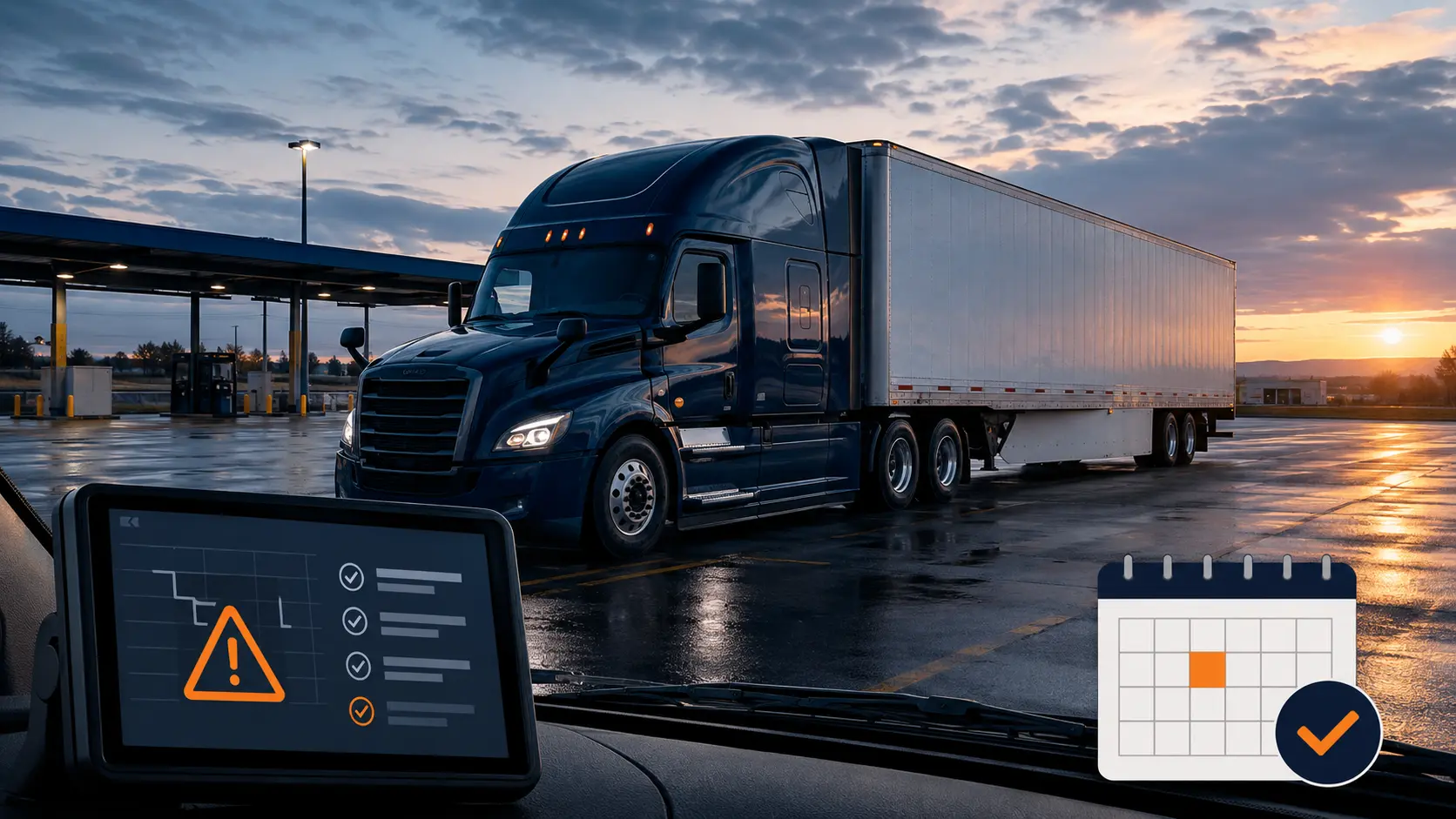
The Federal Motor Carrier Safety Administration removed five electronic logging devices from its registered-device list on August 6, 2026. Motor carriers using one of those ELDs have until October 6, 2026, to replace it with a compliant device.
This is more than a software notice. After the transition period, a driver who continues using a revoked device can be treated as operating without an ELD. The safest approach is to identify affected vehicles, preserve records, select a replacement from FMCSA's current list, and complete the change well before the deadline.
What carriers need to know
- Five ELDs were removed for failing to meet minimum requirements in 49 CFR Part 395.
- Affected carriers should stop using the revoked device and temporarily use paper logs or compliant logging software.
- A registered replacement must be installed before October 6, 2026.
- Beginning October 6, continued use can result in a citation and the driver being placed out of service.
- FMCSA may restore a device if its provider corrects the deficiencies, but the agency strongly encourages carriers to replace it now.
Which ELDs did FMCSA revoke?
FMCSA's August 6 notice lists the following device names, models, and identifiers. Compare all three fields with the information in your ELD application, fleet portal, purchase records, or device settings. A similar product name is not enough to confirm a match.
| ELD name | Model | Identifier |
|---|---|---|
| MOONLIGHT ELD | MRS | MRS255 |
| HGRS ELD | HGR | HRS169 |
| HIGHEST ELD | HIG4ES | HIG385 |
| TRUCKFORD ELD | TRS | TRS263 |
| Sparkle ELD | PT40SIM | SPARK6 |
Source: the official FMCSA revocation notice, published August 6, 2026.
What affected carriers should do immediately
FMCSA directs motor carriers to discontinue using a revoked ELD and revert to paper logs or logging software to record required hours-of-service information. Those methods are a temporary bridge—not a reason to wait until the final week.
- 1
Confirm whether your device is affected
Match the device name, model, and identifier to the table above. Check every truck because a mixed fleet may use more than one model.
- 2
Preserve your existing records
Export or download driver logs, edits, supporting documents, and reports before closing the old account. Confirm how drivers can produce the previous seven days of records during an inspection.
- 3
Start a temporary logging process
Give each affected driver paper logbooks or an approved logging method, plus written instructions. Make sure the driver knows how to reconstruct the current day if the device becomes unavailable.
- 4
Select a registered replacement
Verify the exact product on FMCSA's live registered-device list. Do not rely only on a reseller's advertisement or an old screenshot.
- 5
Install, test, and train
Test vehicle connections, unidentified-driving events, log transfers, annotations, and roadside display functions. Train drivers and dispatch before the first live trip.
How the enforcement timeline works
The 60-day period runs through October 6, 2026. During that window, FMCSA says safety officials are encouraged not to cite drivers under 49 CFR 395.8(a)(1) or 395.22(a) solely for using one of the listed devices. Officials should request paper logs or logging-software records, or use the ELD display as a backup method to review hours.
Through October 6
Transition period
Use paper logs or logging software, preserve prior records, and install a registered replacement. Do not assume the revoked device alone will satisfy an inspection.
Beginning October 6
Full enforcement
Continued use is treated as operating without an ELD. A driver can be cited under 395.8(a)(1) and placed out of service under CVSA criteria.
A transition period reduces immediate disruption, but it does not extend the legal status of the device. Carriers remain responsible for accurate records and hours-of-service compliance throughout the change.
How to choose a compliant replacement ELD
FMCSA maintains a list of devices that manufacturers have self-certified and registered. Start with the FMCSA Registered ELDs list, then evaluate the product against your actual operation.
Before signing a new contract, ask the provider to demonstrate:
- Exact device name and registration identifier
- Roadside data transfer and display
- Engine synchronization for your truck
- Driver and administrator training
- Unidentified-driving-event workflow
- Log export and record retention
- Offline operation and cellular coverage
- Support hours and escalation process
Registration is the starting point, not a complete product review. Compare contract length, hardware costs, monthly fees, installation, support, data ownership, and cancellation terms. Keep screenshots or PDFs showing that the exact device was registered when selected.
Plan the record migration before changing systems
Changing ELD providers can create a recordkeeping gap if the old portal is shut down too early. Before canceling, ask the outgoing provider how long data will remain accessible and which export formats are available. Store required records in a secure location that the carrier can retrieve.
Build a written cutover plan for each truck and driver. Record the old device's last active date, the temporary logging period, the new device's installation date, and who verified the test. Drivers should carry the required ELD information packet and understand how to present both recent paper records and electronic records during the transition.
What if a revoked device is restored?
FMCSA says it may move a device back to the registered list if the provider corrects the identified deficiencies. However, restoration is not guaranteed, and timing may not match a carrier's dispatch schedule. The agency therefore strongly encourages motor carriers to take the actions in its notice rather than wait.
If a vendor says its device has been restored, verify that statement on FMCSA's live list before resuming use. Save the verification date and device identifier in your compliance records.
Common mistakes to avoid
- Checking only the brand name instead of the exact model and identifier.
- Waiting for a vendor email while the federal replacement deadline approaches.
- Canceling the old account before exporting historical logs.
- Installing new hardware without testing roadside transfer functions.
- Assuming drivers know how to use paper logs or the replacement application.
- Buying from a reseller without verifying the device on FMCSA's current list.
Why brokers and shippers should care
ELD compliance is primarily the motor carrier's responsibility, but an avoidable roadside shutdown can still interrupt pickup and delivery appointments. Brokers and shippers benefit when carriers monitor federal notices, document system changes, and build enough time into the rollout to avoid service disruptions.
When evaluating capacity, review the same fundamentals that support reliable operations: active authority, current insurance, appropriate equipment, realistic scheduling, professional communication, and a functioning compliance program. Our guide to choosing a reliable dry van carrier in Texas explains those checks in more detail.
Bottom Line
Replace affected ELDs before the October 6 deadline
If your fleet uses one of the five revoked devices, confirm the exact model, preserve existing records, begin a temporary compliant logging process, and install a registered replacement. Completing the cutover early leaves time to resolve hardware, training, or data-transfer problems before full enforcement begins.
Official Sources
Verify the current requirements
- FMCSA: Five devices removed from the registered ELD list
The August 6, 2026 notice, affected models, carrier instructions, and enforcement timeline.
- FMCSA Registered Electronic Logging Devices
The live federal list to check when selecting or verifying a replacement device.
- Electronic Code of Federal Regulations: 49 CFR Part 395
Current federal hours-of-service and electronic logging requirements.
This article is for general information and is not legal advice. FMCSA can restore devices or update its instructions. Carriers should check the official notice and current registered-device list before making a compliance decision.