
How to Calculate a Trucking Fuel Surcharge
Use the diesel benchmark, base price, MPG factor, and contract miles correctly—then compare surcharge revenue with your truck's actual fuel cost.
Read the full articleFreight Resources
Clear reporting on trucking regulations plus practical resources for drivers, carriers, brokers, and shippers.

Use the diesel benchmark, base price, MPG factor, and contract miles correctly—then compare surcharge revenue with your truck's actual fuel cost.
Read the full article

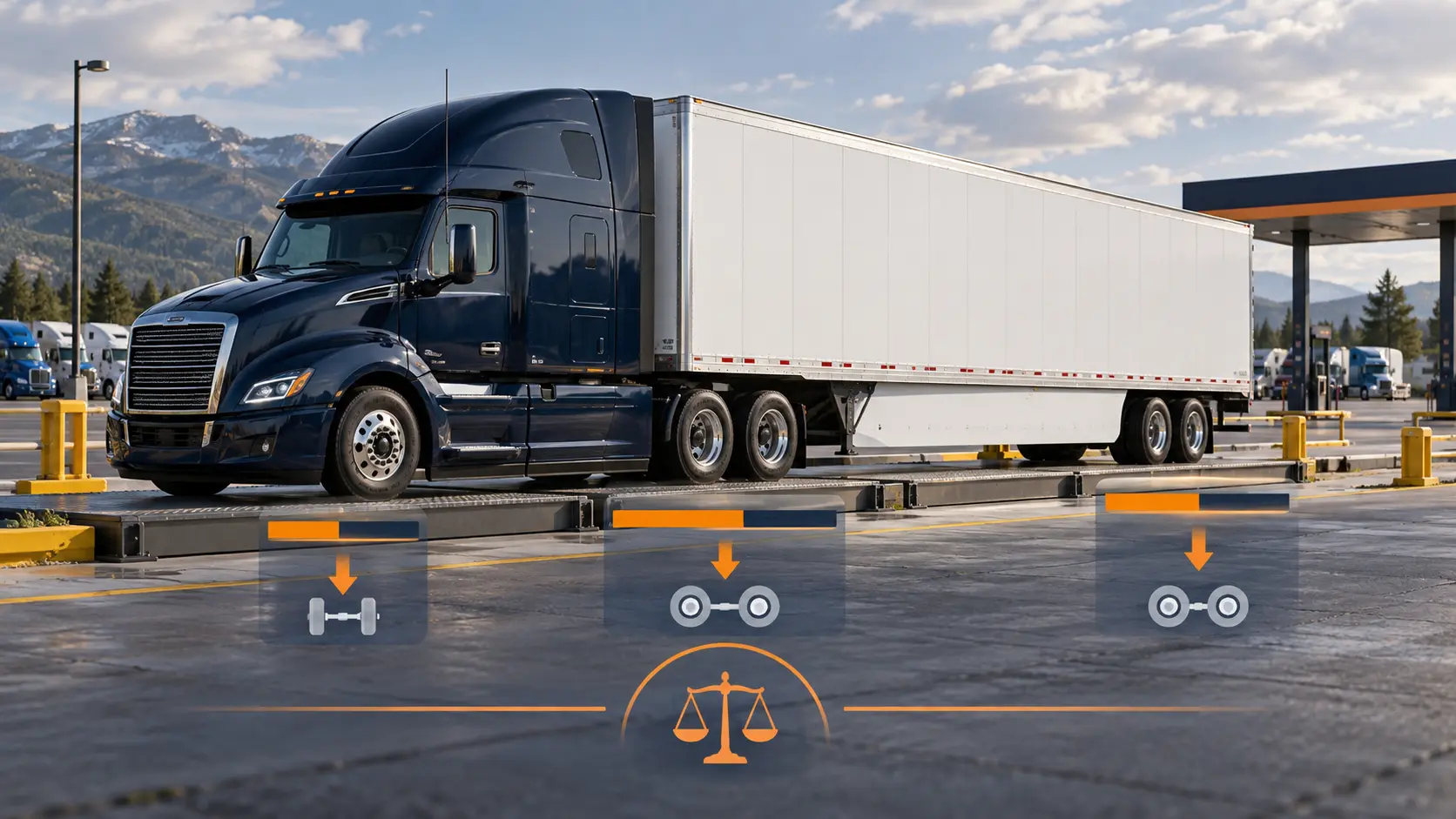
Understand federal weight limits, Bridge Formula checks, scale tickets, trailer-tandem and fifth-wheel adjustments, cargo placement, and safe reweigh procedures.
Read the full article
Build parking into every load plan with realistic HOS buffers, three legal stop options, personal-conveyance limits, and a safe shutdown workflow.
Read the full article
Build a complete billing packet with the final rate confirmation, BOL, POD, invoice, receipts, accessorial proof, and submission record.
Read the full article
Turn September 13–19 recognition into safer schedules, better facilities, accurate information, and year-round professional respect.
Read the full article
Define, document, and invoice the extra work and delay that can turn a profitable load into a loss.
Read the full article
Plan the 11-hour, 14-hour, break, weekly cycle, restart, sleeper-berth, adverse-driving, and short-haul rules correctly.
Read the full article
Verify authority, bond or trust, contact identity, payment risk, and every rate-confirmation term before your truck moves.
Read the full article
Compare FMCSA registration, roadside transfer, connected workflows, pricing models, and the questions a one-truck carrier should ask before signing.
Read the full article
Build a repeatable truck-and-trailer maintenance system with daily observations, correct service triggers, defect follow-up, annual inspections, and usable records.
Read the full article
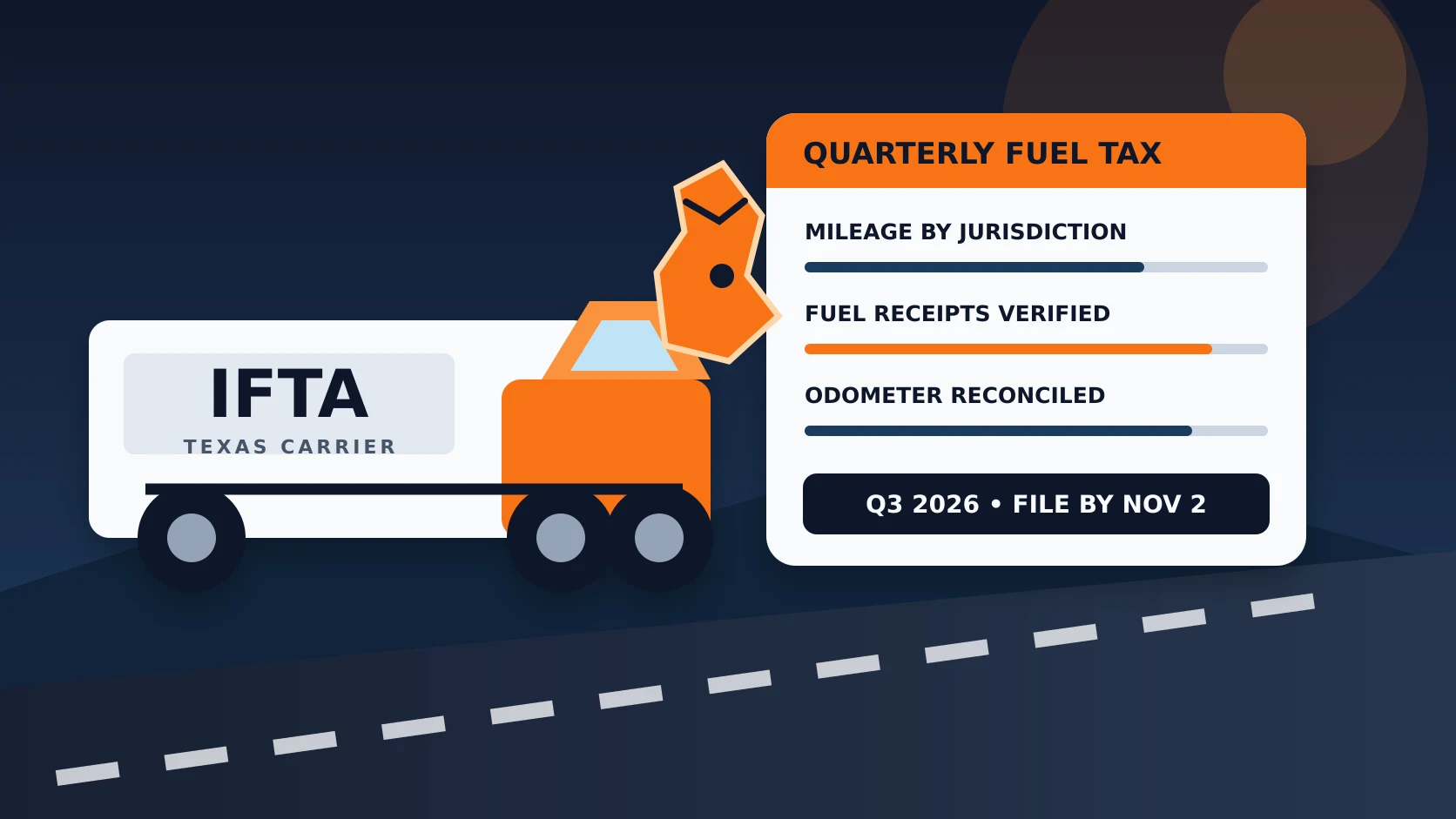
Track jurisdiction miles, protect fuel-tax credits, reconcile monthly, meet the November 2 deadline, and keep an audit-ready carrier file.
Read the full article
See the newest vehicle and driver out-of-service results, cargo-securement and ELD findings, and a practical dry-van preparation checklist.
Read the full article

Calculate fixed and variable costs, deadhead, owner pay, reserves, loaded-mile break-even, and the minimum rate your truck needs.
Read the full article

Compare current public rates, funding claims, recourse language, reserves, transfer fees, and contract terms before assigning your invoices.
Read the full article

Compare primary liability, cargo, physical damage, bobtail, non-trucking liability, general liability, and trailer interchange—plus the gaps to review before binding.
Read the full article

Understand the 110 emergency school removals, 160-plus proposed removals, nationwide skills-tester audit, and the verification steps drivers can take now.
Read the full article

Organize authority, insurance, W-9, payment, equipment, and contact records—then verify the broker before sharing sensitive documents.
Read the full article

Compare current public fees, prepaid and credit choices, discount networks, limitations, and a seven-day lane test for one-truck carriers.
Read the full article
Organize driver, ELD, vehicle, insurance, drug-testing, and accident records before FMCSA requests them—and understand the automatic- failure risks.
Read the full article
Prepare for the August 23-29 inspection initiative with the 2026 drum-and-rotor focus, tractor-trailer checks, repair documentation, and roadside report deadlines.
Read the full article
Check the five affected devices, the October 6 replacement deadline, enforcement timeline, and practical steps for preserving driver logs and completing a compliant cutover.
Read the full article
A point-by-point review of California's 2022–2024 crash figures, the study's limits, FMCSA's final rule, and the pending federal court challenge.
Read the full article
Seven important checks for evaluating a carrier's authority, insurance, equipment, safety practices, schedule, and communication before tendering a load.
Read the full article